Flaxley Church and Woven
Flaxley Church Woven Reconciliation Group
At the heart of Woven is a deep belief in community, connection, and culture. Woven was born from a shared desire. A longing from the Flaxley community to walk alongside Aboriginal people in truth and respect. It began with an invitation, but has grown into something powerful: a home, a safe space, and a living example of reconciliation in action.
Set within the old Flaxley Church on Peramangk Country, this place holds generations of stories, early settlers to stolen children, from school lessons to healing workshops. For those of us who return here now, Woven is both a memory and a future. A space of creativity, truth-telling, and gentle strength.
This report shares our journey, honours those who walk with us, and invites others to be part of what's next. Together, we are weaving something beautiful.
ROS CAMERON
WOVEN VISION STATEMENT
Woven is a space for truth-telling storytelling, and the sharing of culture through the arts. It's a place to build connection, spark creativity, and foster collaboration between Aboriginal and non-Aboriginal people.
Located on Peramangk Country in the historic Flaxley Church, Woven is the only dedicated cultural home for Aboriginal people in the Adelaide Hills. For members of the Stolen Generations, this space holds personal and historical significance - a place where the past is acknowledged and the future is reclaimed. Where community and culture come together reconciliation in action.
Woven is a safe space, a place of peace, healing, and belonging. We walk gently with community creating opportunities to gather, listen, and learn together. With the support of partners like the Healing Foundation, Barossa Hills and Fleurieu Health Network, Mount Barker Council, Hahndorf Academy, local reconciliation groups, we are growing Woven into a vibrant community centre, one that reflects the strength, resilience, and creativity of Aboriginal culture. Together, we are weaving a new story.
OUR VALUES
Connection to Country - We honour the Peramangk People as the custodians of this land and respect all Aboriginal and Torres Strait Islander people. We foster a relationship with land, sky, waters, flora and fauna, through art, story, and being present.
Cultural Respect and Truth-Telling - We create space for Aboriginal voices, stories, and experiences to be heard with honesty and dignity. We hold space for uncomfortable truths, growth, and collective responsibility.
Creativity and Expression - We believe in the healing power of creativity. Our workshops and gatherings centre on hands-on artmaking, storytelling and culture-sharing that are accessible to all ages.
Relationships and Reconciliation - We nurture strong, respectful relationships across cultures and generations. Our work is about walking together, side by side, in trust and collaboration.
Inclusivity and Belonging - Everyone has a place at Woven. Whether you come to connect learn, heal, or create, we welcome you as part of the weaving.
Gentle Leadership and Empowerment - We believe in leadership that listens, supports, and uplifts. We walk alongside others, growing skills, confidence, and cultural understanding.
OUR PLACE: THE OLD FLAXLEY CHURCH
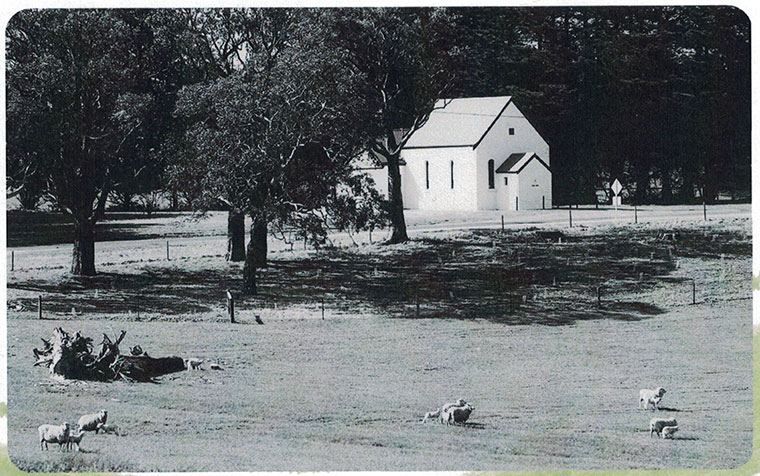
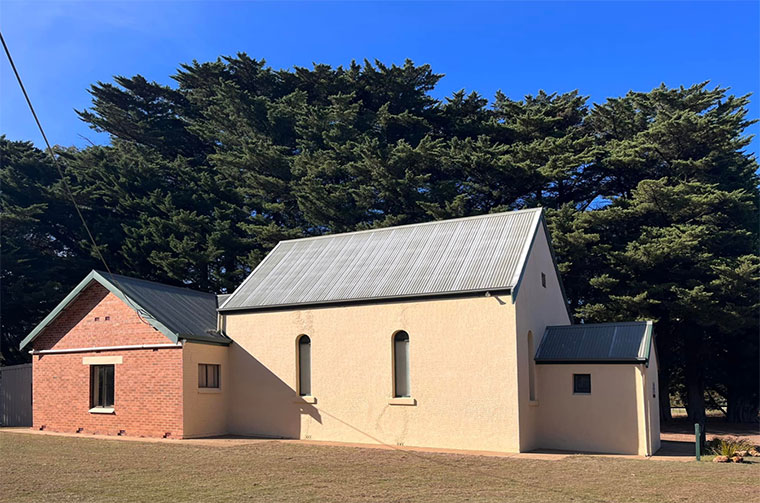
Woven is located on Peramangk Country in the heart of the Adelaide Hills, within the old Flaxley Church - a historic building that has stood for 151 years. Built by the community in 1873 and lovingly maintained ever since, the church has always been a place of gathering, care, and connection.
This is not just a building; it holds generations of stories. The back hall and kitchen were added on land gifted by my adopted grandfather, whose humble shack still stands on the property today. For years, it was believed that the pine trees marked the property boundary - a symbol of how community and nature quietly shaped this space.
Today, Woven is the only dedicated cultural space for Aboriginal people in the Adelaide Hills. It's a place where culture and creativity live side by side, where stories are told, hands are busy with art, and relationships grow stronger.
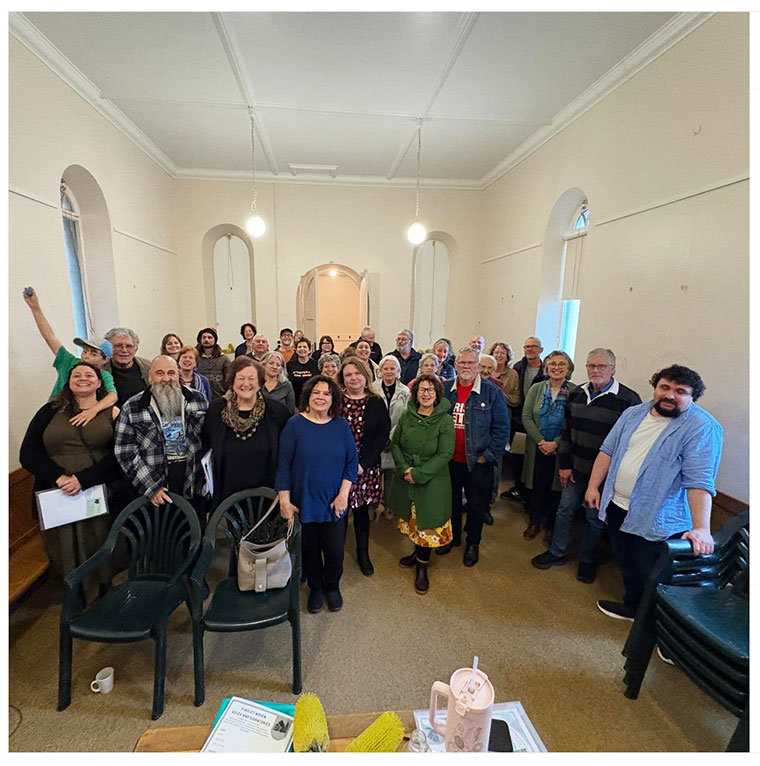
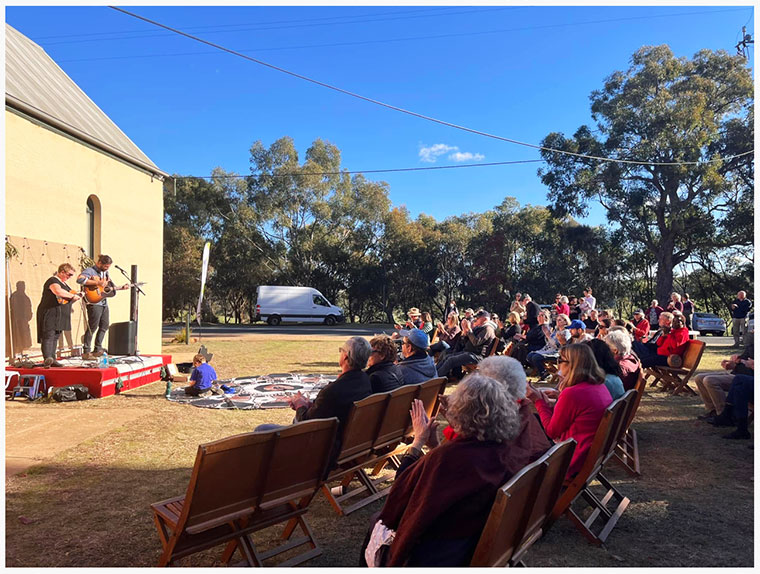
Our first AGM
There is uncertainty around the church's future, with the Uniting Church currently seeking to sell the building.
At this stage the council doesn't have the funds to purchase it, and the state government is exploring options. But we believe this place belongs to the community - and should be returned to them. It was built by the people, sustained by the people, and now serves as a place of cultural connection, reconciliation, and healing.
Woven's future depends on protecting this space and keeping it in community hands where it has always belonged.
TRUTH TELLING AND CONNECTION
Woven is more than a community project - it is personal. It is about truth-telling and healing. For us, this place holds layers of meaning that cannot be separated from our stories as Aboriginal people.
My brother, Kym Willis, and I, Ros Cameron (Willis), are members of the Stolen Generations. We were taken from our birth families and raised in the Adelaide Hills. We were adopted by the Willis family and assimilated here in Flaxley.
For most of our childhood and teenage years our lives revolved around this church. It shaped our everyday world, a place where we were expected to fit in, even as our true identities were hidden and reshaped. The irony is not lost on us that we now return to this very same space, not as children to be shaped, but as adults reclaiming culture, story, and belonging. We return not in silence, but in strength. This is why Woven is here.
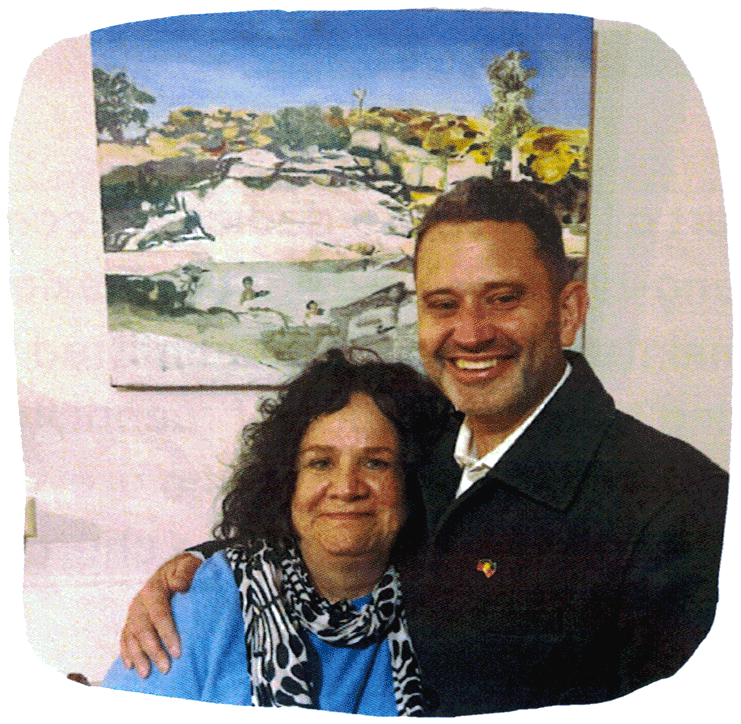
Ros Cameron and Kym Maher
This land, this building, this gathering place - it has become an anointed space of peace and healing. It is time Church and State were held accountable. This church is one of those places. It is part of the history. But now, it can also be part of the healing.
This gathering place carries peace and healing. A place where Aboriginal and non-Aboriginal people come together in sharing truth through creativity. and sensitivity. Our nation needs places like this. Places where reconciliation is not just a word - it is something we live, together.
OUR MEMBERS
At the heart of Woven are dedicated community members like Brian and Christine Pearce, long-time stewards of the Flaxley Church building. For years, they have lovingly maintained the site, committed to preserving its legacy and spirit. Recognising the importance of reconciliation and cultural connection, Brian reached out to Ros Cameron, who grew up in the Flaxley community as a child and whose family has deep ties to the church.
Together with the next generation, we have worked in partnership to share this special space, creating a place where Aboriginal and non-Aboriginal community members can come together in the spirit of respect, storytelling, and healing. Their collaboration reflects a shared vision of unity and the power of grassroots leadership in fostering meaningful reconciliation.
WALKING WITH US: OUR SUPPORTERS
Woven has been embraced by a growing group of supporters who believe in the power of truth-telling, cultural connection, and community-led healing.
We are proud to walk alongside: -
• The Healing Foundation - supporting our vision for healing spaces rooted in lived experience.
• Barossa Hills and Fleurieu Local Health Network - recognising the vital connection between cultural identity, mental health, and wellbeing.
• Mount Barker District Council - backing our work in community development and reconciliation.
• Hahndorf Academy - partnering in arts-based cultural exchange and shared storytelling.
• Local Reconciliation Groups - from Flaxley to the Adelaide Hills, standing in solidarity and action.
Together, these supporters are helping us develop Woven into something bigger - a space of leadership, healing, creativity and cultural celebration for all generations. We invite others to walk with us as we strengthen Woven's presence as a permanent cultural home in the Adelaide Hills.
EVENT HIGHLIGHT: FULL CIRCLE - THE STORY OF KYM WILLIS
In 2023, Woven hosted Full Circle, a powerful and deeply personal event that honoured the life and cultural journey of Kym Willis, a member of the Stolen Generations and a brother to the co-founder of Woven, Ros Cameron (Willis).
Kym was taken from his mother as a young child and spent 4.5 years in the state foster system. Despite his mother's ongoing efforts to have him returned, her pleas were ignored by welfare authorities. Eventually, Kym was adopted by the Willis family in Flaxley and raised without connection to his Aboriginal identity, community, or culture.
In his early twenties, Kym moved his young family to the Northern Territory - a decision that changed his life. For the first time, he was welcomed by Aboriginal communities and began to reclaim his cultural identity. There, he was taught how to carve and paint yidaki (didgeridoos) by a local Aboriginal man. Over time, Kym became known as one of the most skilled yidaki makers in Australia, blending technical mastery with deep respect for the instrument's cultural significance.
Returning to Flaxley for the Full Circle event was a profound act of healing for Kym. Though hesitant at first, the experience brought him full circle - back to the place of his upbringing, but this time on his own terms.
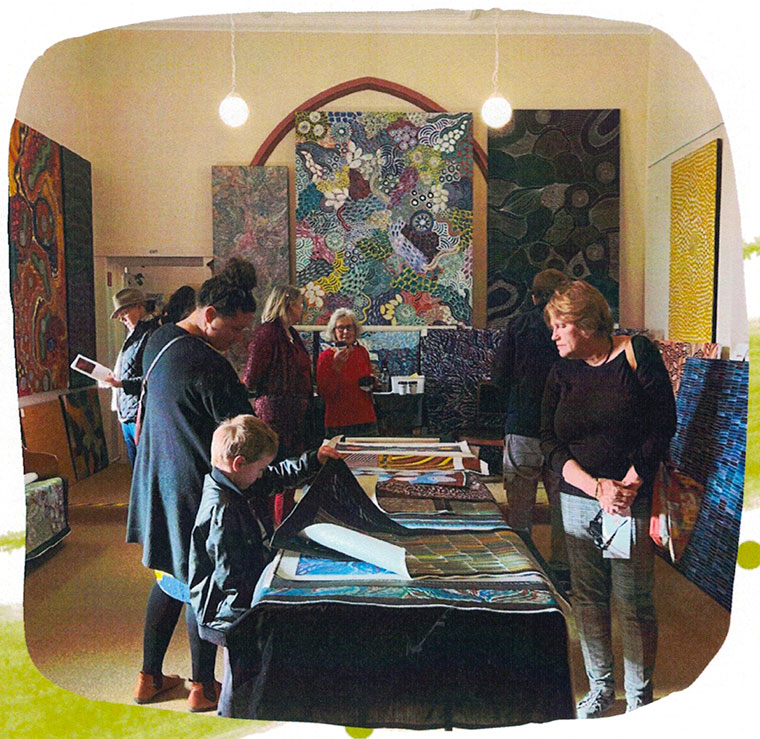
During the event, he reconnected with family members for the first time in his late 60s, surrounded by a supportive community. The event featured an exhibition of Kym's artworks and yidaki, live storytelling, and a celebration of resilience and cultural reconnection. Over 350 people attended, and Full Circle was honoured with the award for Best Community Event of the Year. For many, Full Circle was more than an exhibition - it was a living example of truth-telling, cultural restoration, and the power of returning home.
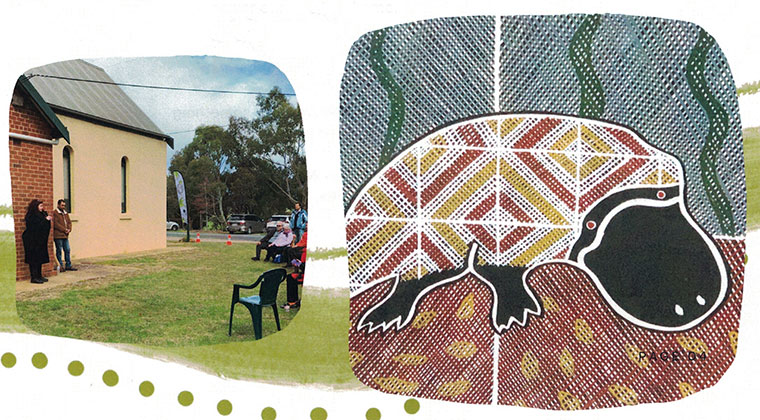
EVENT HIGHLIGHT: WEAVING WORKSHOPS
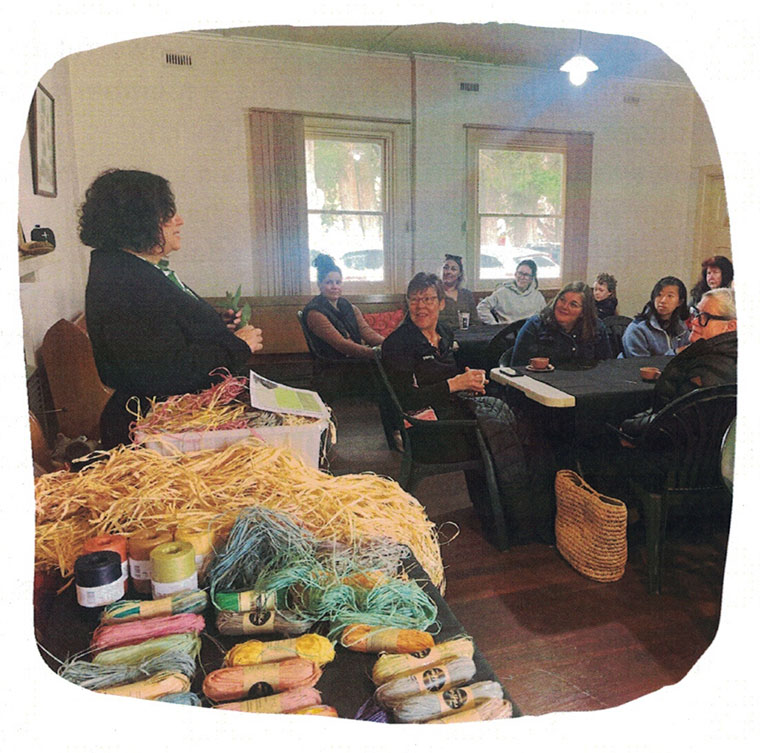
Thanks to the support of the Highways and Byways grant, Woven at Flaxley hosted two culturally significant weaving workshops that brought community together through hands-on learning and storytelling.
The first workshop was led by Arrernte woman Bec Kimlin, who generously shared her skills in the Ngarrindjeri style of cultural weaving with a diverse and enthusiastic audience. The session sold out overnight, demonstrating the strong community demand for opportunities to engage with First Nations knowledge and artforms in an accessible and meaningful way.
The second workshop was facilitated by Kaurna woman Elaine Magias, and welcomed a group of women with deep personal ties to the Flaxley area, many of whom grew up nearby. The gathering was heartfelt and reflective, weaving not just fibres but also shared memories, stories, and reconnection.
Both events fostered a warm and respectful space for cultural exchange, healing, and community connection. A testament to the ongoing importance of creating opportunities for cultural sharing on Country, and showing the power of art to bridge generations and build relationships.
EVENT HIGHLIGHT: NAIDOC PLAYGROUP
As part of 2024 NAIDOC Week celebrations, Aunty Ros Cameron led a vibrant and engaging playgroup session for children aged from infancy to five years. Held on Peramangk Country and supported through the Mount Barker Council's NAIDOC grants program, the event created a welcoming cultural space for young children and their families to connect with Aboriginal culture through interactive storytelling, sensory exploration, and hands-on art activities. Aunty Ros shared stories using her puppets and natural materials, gently introducing children to cultural knowledge in an age-appropriate and joyful way.
Children delighted in the opportunity to engage in cultural art-making, play with natural textures, and taste native bush foods specially prepared for the group. Parents and caregivers expressed deep appreciation for the event, noting the calm, inclusive atmosphere and the value of early cultural education. Many commented that they would love to see it continue as a regular program, reflecting a strong community appetite for more culturally enriching experiences young children.
PLACE OF MANY STORIES: THE HISTORY OF FLAXLEY CHURCH
Built in 1874, the Flaxley Methodist Church (now Uniting Church) has long been a cornerstone of the Adelaide Hills community. From 1899 to 1943, this humble building also served as the local primary school, educating generations of children in its shared space. A 1912 newspaper article described the challenges faced by students and teachers, including flooding, drought conditions, and a lack of shelter - yet the school persisted, a testament to the resilience of the community.
The church was constructed by local hands and maintained by the people of Flaxley for over 150 years. The back hall and kitchen were added on land gifted by my adopted grandfather, whose shack still stands on the property today. For my brother Kym Willis and me, Ros Cameron (Willis), both members of the Stolen Generations, this place holds personal significance. We were adopted by the Willis family and assimilated here in Flaxley, with our lives revolving around this church until our late teens.
Today, this site is the only dedicated cultural home for Aboriginal people in the Adelaide Hills. It stands as a symbol of transformation - from a place once associated with assimilation to one of healing, truth-telling, and reconciliation. This anointed space of peace and healing is essential for our nation, providing a sanctuary where community and culture come together.
WHAT PEOPLE ARE SAYING
"Woven is not just a place; it is a sanctuary of Reconciliation, healing, and connection. The very essence of humanity thrives within these walls". Jade Brook.
"For a family like ours--disconnected through the Stolen Generations - this space offers something beyond words: a sense of belonging, healing, and cultural identity for our children". Lou & Becky Turner.
"As a survivor of family violence and someone impacted by the Stolen Generations, I found the Flaxley space incredibly healing, exactly what our community needs to let go of stress and worry." Rebecca Kimlin, BHFLHN Aboriginal Health.
"The former Flaxley Uniting Church is not just a building - it's a sacred site, woven with the stories of both Indigenous and non-Indigenous families across generations." Vivien Heitmann.
"Through exhibitions and shared stories, Woven helped reunite families who had been forcibly separated. The generosity of spirit touched everyone who was there." Tess Minett.
"This lovely little church and grounds could become a place of belonging and inclusion for both Aboriginal and wider community." Mandy Brown, Peramangk Elder.
"Woven provides our region with something unique. It should be nurtured and supported as a priority. It has an important role in the cultural life of our community." Andrew McNicol, Artistic Director, Arts Excentrix.
"Woven considers reconciliation, healing, and bringing people together, and we need to support them for our future, everyone's future." Rachel McElwee, Director, Hahndorf Academy.